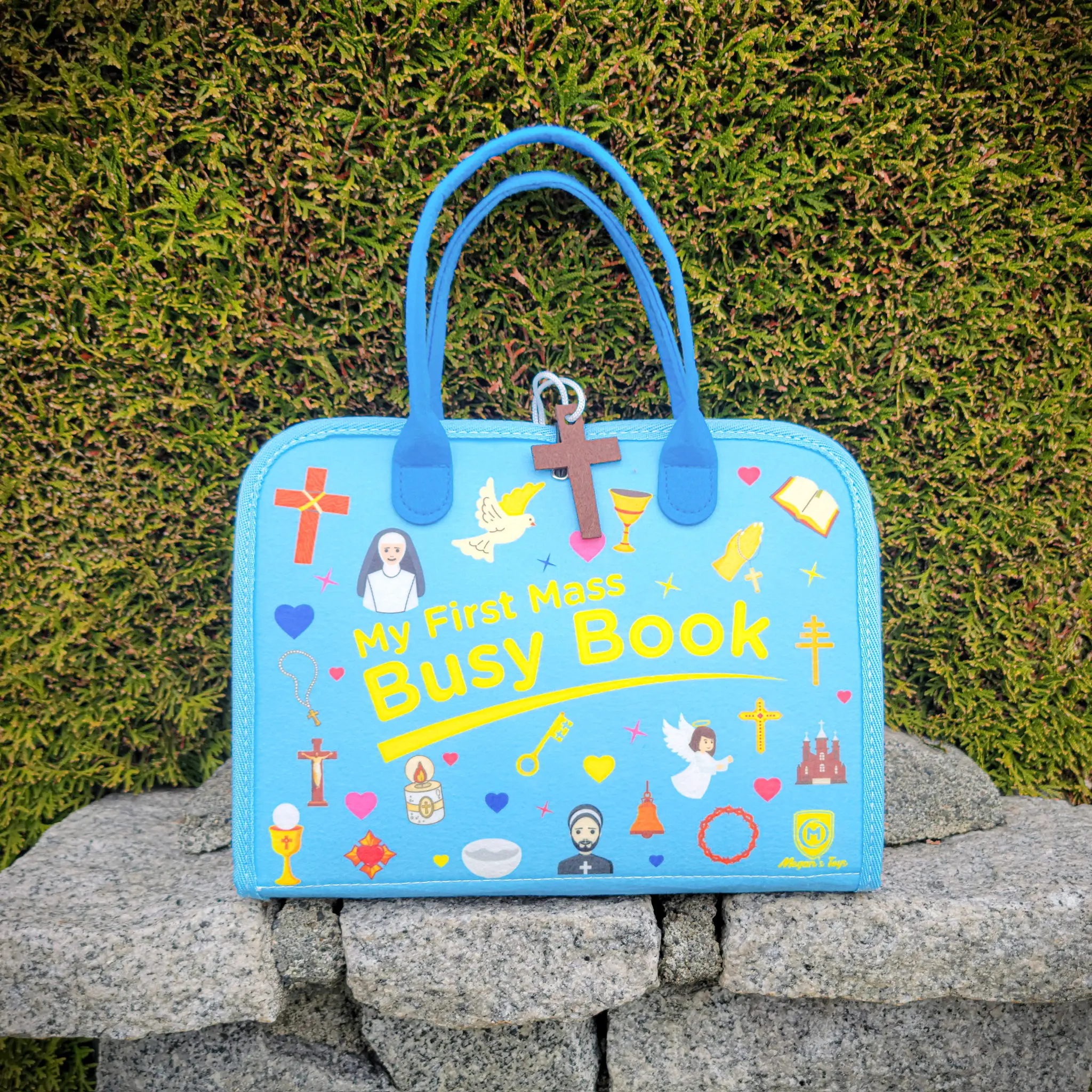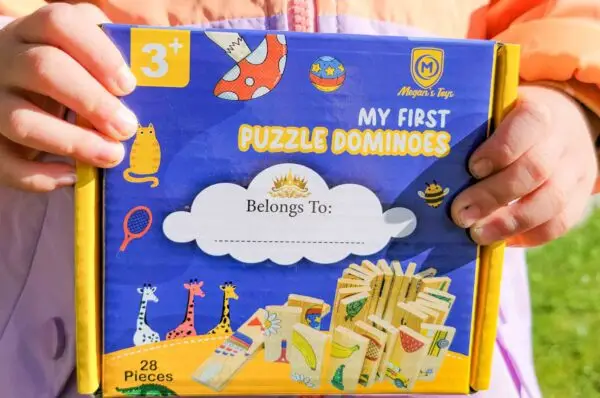
In an era dominated by screens, Montessori soft books provide a captivating, hands-on alternative that nurtures early learning and sensory development. These tactile books are designed to engage young minds, encouraging exploration of textures, colors, and interactive elements that spark curiosity and creativity. Beyond fostering a love for reading, Montessori soft books promote essential developmental skills through active engagement. As children turn pages filled with delightful illustrations and unique features, they embark on a journey of discovery, enhancing cognitive skills and sensory awareness. Whether during storytime or playtime, these charming soft books serve as gateways to imaginative adventures, laying a strong foundation for lifelong learning.
The Importance of Early Learning in Child Development
Early childhood is a pivotal period where foundational skills are established, influencing a child’s future learning and behavior. Introducing educational tools that stimulate cognitive, emotional, and social growth during these formative years is crucial. Montessori soft books play a significant role in this developmental stage by offering interactive experiences that enhance problem-solving abilities, fine motor skills, and sensory processing.
What Are Montessori Soft Books?
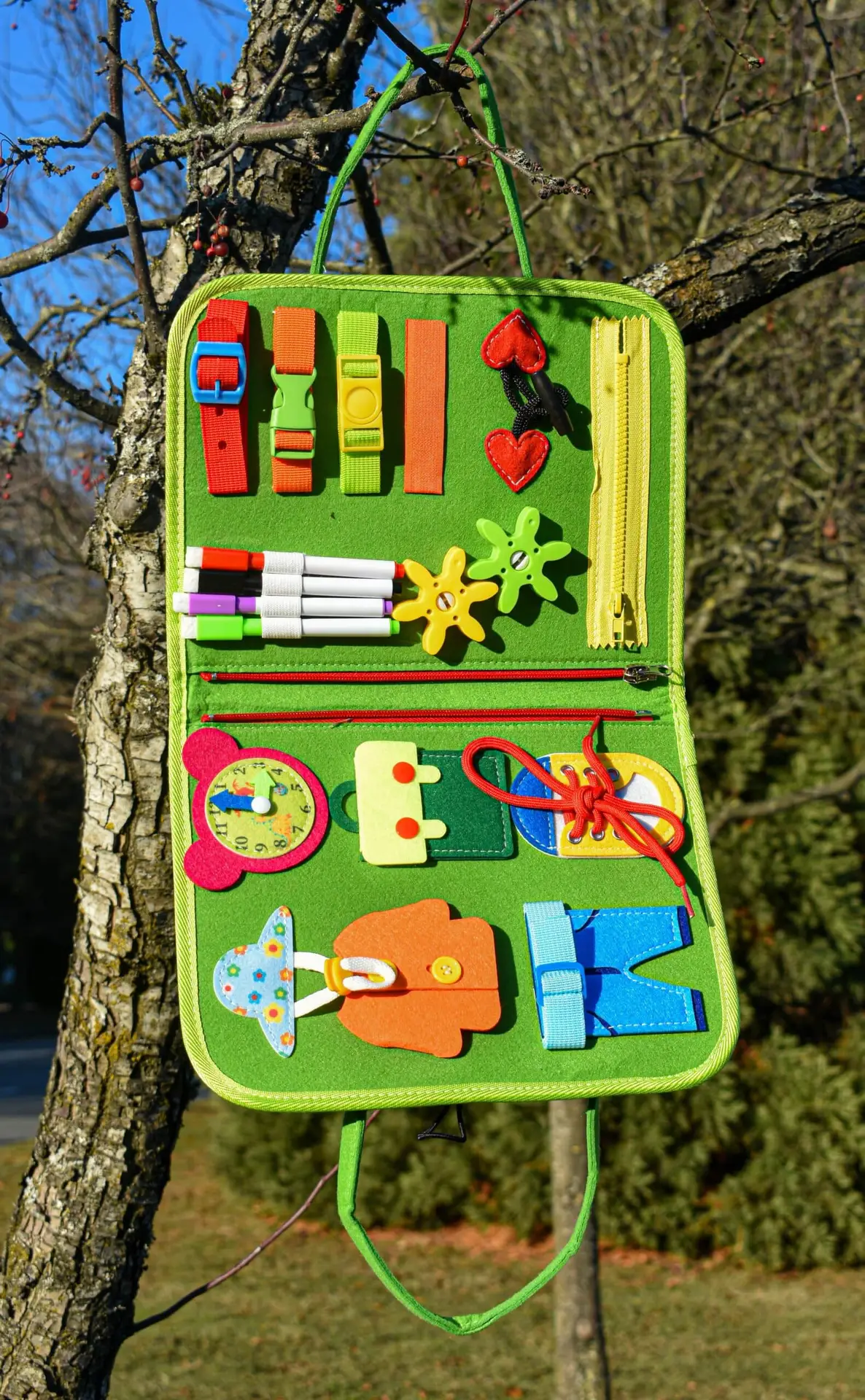
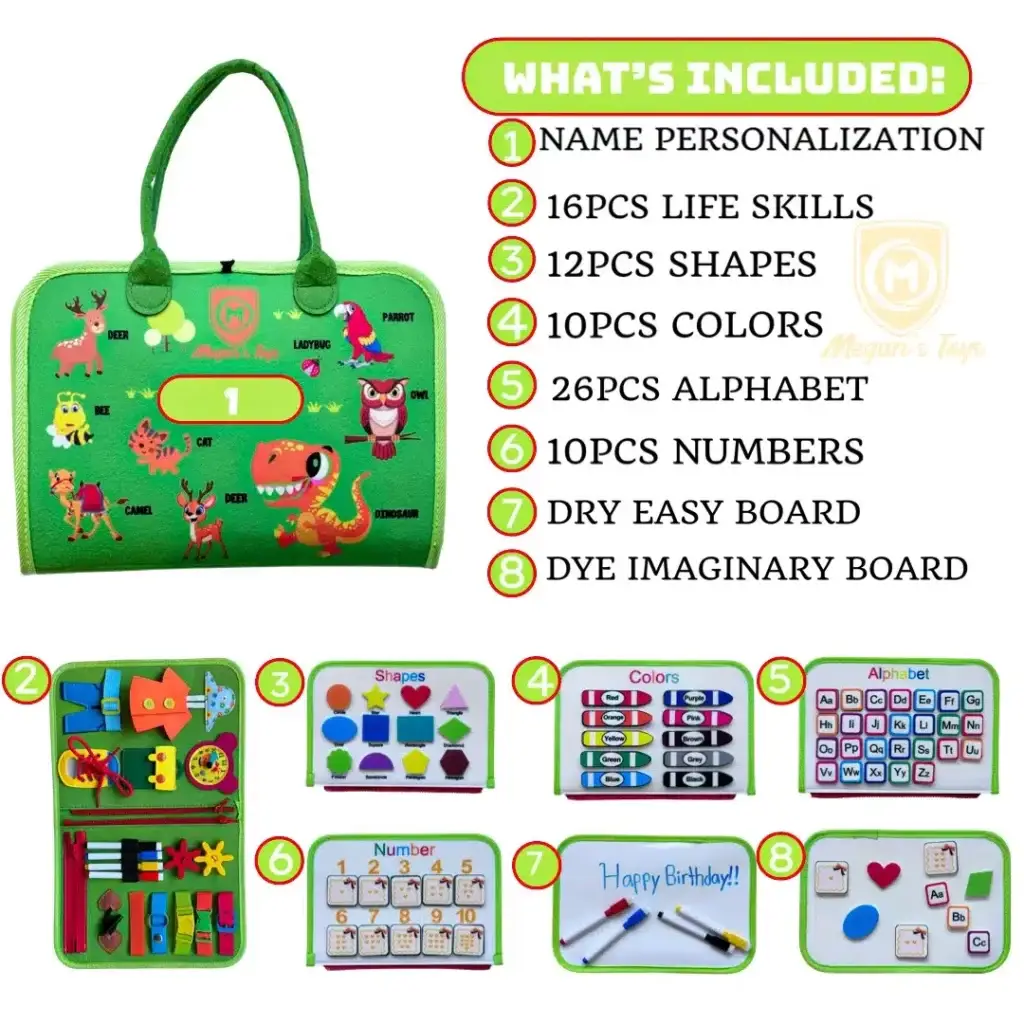
Montessori soft books are fabric-based educational tools aligned with Dr. Maria Montessori’s principles of hands-on, child-centered learning. Crafted from soft, non-toxic materials, these books feature various textures, colors, and interactive elements like buttons, zippers, and laces. These features encourage children to engage in self-paced exploration, fostering independence and sensory awareness. Wikipedia+2Montessori Academy+2Goodreads+2Motherly
Benefits of Using Soft Books in Early Education
Montessori soft books offer numerous advantages in early education:
- Sensory Development: Different textures and interactive elements stimulate tactile exploration, enhancing sensory processing skills.
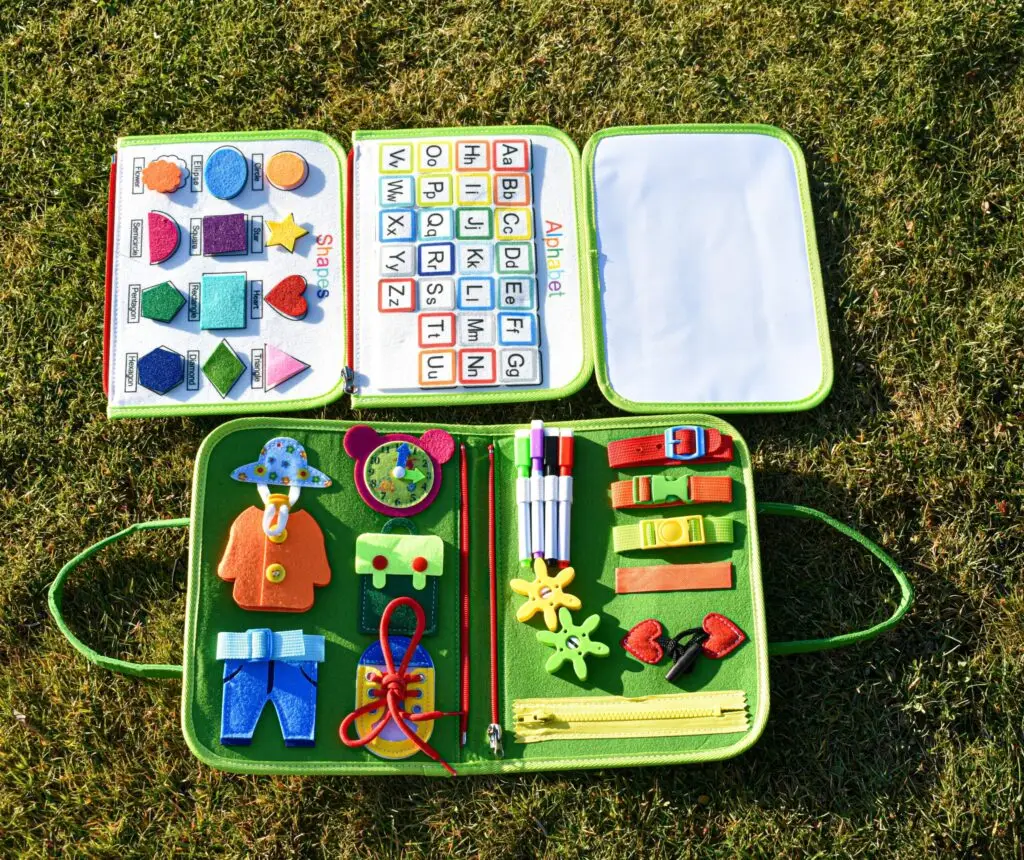
- Cognitive Growth: Activities like matching shapes and colors promote problem-solving and logical thinking. Amazon
- Fine Motor Skills: Manipulating small components such as buttons and zippers improves hand-eye coordination and dexterity.
- Language Acquisition: Engaging with themed content supports vocabulary building and early literacy skills.
Enhancing Sensory Play with Montessori Soft Books
Sensory play is vital for brain development, and Montessori soft books enrich this experience by incorporating various stimuli. Elements like crinkly pages, removable pieces, and diverse fabrics encourage children to explore through touch and sound, fostering curiosity and creativity. For instance, the “My Quiet Book” by Pockets of Learning includes activities such as zipping, buttoning, and lacing, providing a comprehensive sensory experience. Amazon
Key Features of Quality Montessori Soft Books
When selecting a Montessori soft book, consider the following features:
- Safe, Non-Toxic Materials: Ensure the book is made from high-quality, child-safe fabrics.
- Interactive Elements: Look for books with various activities like zippers, buttons, and snaps to engage different skills.
- Engaging Themes: Choose books with subjects that interest your child, such as animals, numbers, or daily routines.
- Durability: Opt for well-constructed books that can withstand frequent handling and washing.
How to Choose the Right Soft Book for Your Child
Selecting the appropriate Montessori soft book involves:
- Assessing Developmental Stage: Match the book’s complexity with your child’s age and skill level.
- Considering Interests: Choose themes that captivate your child’s attention to encourage engagement.
- Prioritizing Safety: Ensure all components are securely attached and free from choking hazards.
Creative Ways to Incorporate Soft Books into Daily Learning
Integrate Montessori soft books into daily routines by:
- Storytime Sessions: Use the books during reading time to combine narrative with interactive play.
- Independent Play: Encourage children to explore the books on their own, fostering autonomy.
- Travel Activities: Bring soft books along during trips to keep children engaged and entertained.
Reviews of Popular Montessori Soft Books
Parents and educators have praised various Montessori soft books for their educational value and engaging designs. For example, the “deMoca Quiet Book” is noted for its real-life skill activities like dressing and brushing teeth, aiding in practical life skills development. New York Post+2Amazon+2Target : Expect More. Pay Less.+2
Customer Testimonials
Feedback from users highlights the impact of Montessori soft books:
- Natali Smith: “I am reading this book now with a 4-month-old and I absolutely love it. It has definitely changed the way I interact with my daughter, giving her more time to play independently.” Reddit
- Simone Davies: “The book follows Maria Montessori’s principles of raising a free and responsible child by helping your toddler discover the world with all its wonders.” Goodreads
Conclusion: The Lasting Impact of Montessori Soft Books on Learning
Montessori soft books are more than just toys; they are instrumental in fostering early developmental skills through interactive and sensory-rich experiences. By incorporating these books into your child’s learning journey, you provide them with tools to explore, discover, and grow in a nurturing and stimulating environment.
Share Your Experience!
Have you introduced Montessori soft books to your child’s learning routine? We’d love to hear about your experiences and any favorite titles. Share your thoughts in the comments below to help other parents discover the joys of Montessori soft books!